The Silent Number: What a Lot of People Miss About Their Blood Pressure Until It's Too Late
It's the checkup number everyone glances at and few really think about — until the day it stops looking normal. Here's what's changing in how people are approaching it at home.
Somewhere around age 45, blood pressure quietly becomes the most important number on your chart. It doesn't announce itself. There's no dramatic symptom, no single bad day that tips you off. It just creeps, year over year, until a routine visit turns into a longer conversation with your doctor than you expected.
Public health researchers have a name for high blood pressure: the silent condition. Millions of adults live with elevated readings for years without feeling any different — which is exactly why so many people are caught off guard when a routine checkup turns into a longer conversation than expected.
Part of what makes it so easy to overlook is that the number itself isn't painful. There's no ache, no obvious signal, nothing that interrupts a normal day. Doctors sometimes call it a "silent" risk factor precisely because the body rarely complains before the numbers start climbing — which means most people only find out through a routine cuff test, not because anything felt wrong.
Source: U.S. Centers for Disease Control and Prevention (CDC), national hypertension prevalence data.
Why "Eat Better, Move More" Isn't the Whole Story
Diet and movement matter — no cardiologist will tell you otherwise. But researchers increasingly point to something less talked about at the dinner table: circulatory support at the cellular level. Healthy blood pressure isn't just about how much salt is on your plate; it's about how efficiently your blood vessels relax, dilate, and let blood move through them with ease.
That process leans heavily on specific amino acids and nutrients the body uses to support nitric oxide production — the same mechanism that keeps blood vessels flexible rather than stiff. When that supply runs short, which becomes more common with age, even people who are otherwise doing "everything right" can find their numbers creeping upward anyway.
It's a point many wellness practitioners raise: circulation support is a nutritional question as much as a lifestyle one. Diet and exercise lay the foundation — but the body also needs specific building blocks to keep blood vessels working the way they should. General observation — not a direct quote from a named individual
Five Habits Doctors Commonly Recommend First
Before any conversation about supplements, most physicians start with the basics — and they're worth repeating, because they still form the foundation everything else builds on.
-
Watch sodium, not just salt
Packaged and restaurant food account for most sodium intake — reading labels tends to matter more than skipping the salt shaker at home.
-
Move most days, not hard days
Consistent, moderate movement — walking, cycling, swimming — is generally associated with better long-term cardiovascular markers than occasional intense workouts.
-
Protect sleep
Poor or irregular sleep is frequently discussed by clinicians as a factor connected to blood pressure regulation.
-
Manage stress deliberately
Chronic stress keeps the nervous system in a heightened state, which is one reason many doctors ask about stress load during checkups.
-
Don't skip the nutritional gaps
Even a solid diet can fall short on specific nutrients tied to circulatory health — which is where a targeted daily supplement is sometimes discussed as a complement to, not a replacement for, the habits above.
A Small Addition, Not an Overhaul
None of this requires overhauling an entire routine overnight — keeping up with regular movement and doctor's visits still matters most. What's changed is that more people are also paying attention to a category of daily supplement built specifically around amino-acid and circulatory support, as a complement to those basics rather than a replacement for them.
That's part of why interest in targeted cardiovascular-support formulas has grown so quickly this year — and why one formula in particular, Neurosalt, has become a common recommendation among people comparing notes in wellness communities.
Meet Neurosalt
A daily formula built around amino acids that support healthy circulation and cardiovascular function.
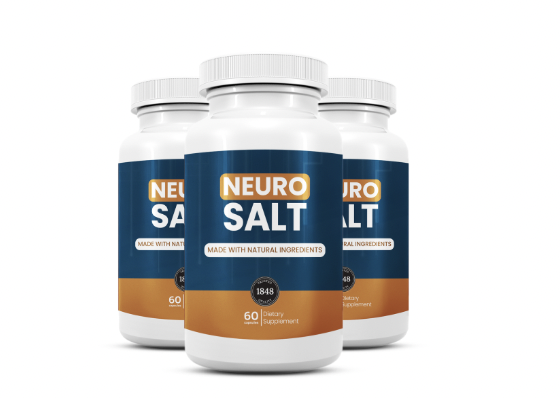
- Supports healthy blood pressure levels*
- Formulated with key circulation-supporting amino acids
- Supports overall cardiovascular wellness*
- Made in a GMP-certified, USA-based facility
- Non-GMO formula, taken as a simple daily capsule
- Covered by a 60-day return policy
*These statements have not been evaluated by the FDA. This product is not intended to diagnose, treat, cure, or prevent any disease.
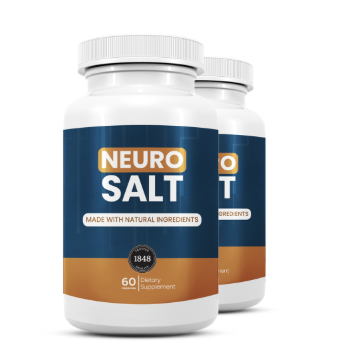
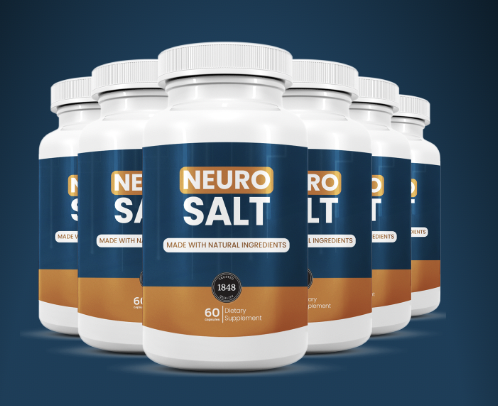
Multi-bottle kits ship with free shipping and the biggest per-bottle savings.
60-Day Return Policy. Try Neurosalt for two full months. If you're not satisfied, contact the company within the window for a refund under the terms of the return policy.
The 3-bottle "Most Popular" kit gives a 90-day supply — enough time to build a consistent daily habit within the 60-day return window.
Common Questions
How is Neurosalt meant to be taken?
As with any daily supplement, follow the directions on the product label. Consistency matters more than timing — most people take it at the same time each day alongside a normal routine.
Is it safe to take alongside blood pressure medication?
Anyone currently taking blood pressure medication or managing a diagnosed condition should talk to their doctor or pharmacist before adding any new supplement, to check for interactions specific to their situation.
How long before I'd notice anything?
Supplement timelines vary by individual, which is part of why the package options above are built around 90- and 180-day supplies — enough time to use it consistently and still fall within the 60-day return window.
What if it's not a fit for me?
The 60-day return policy covers that scenario — reach out to the company within the window to request a refund.
The Takeaway
Blood pressure isn't a problem you solve in a day, and no single habit — supplement included — replaces medical care or a doctor's guidance. But for people navigating this, filling a nutritional gap the body had been missing for years can be a piece worth exploring. If your last checkup left you thinking the same thing, it may be worth a closer look.
Scientific References
- Chu, C. et al. (2016). "Low serum magnesium levels are associated with impaired peripheral nerve function in type 2 diabetic patients." Scientific Reports, 6, 32623. nature.com/articles/srep32623
- Pan, H.C. et al. (2021). "Magnesium Promotes the Regeneration of the Peripheral Nerve." Frontiers in Cell and Developmental Biology, 9. pmc.ncbi.nlm.nih.gov/PMC8385315
- Athavale, A. et al. (2023). "Transdermal Magnesium for the Treatment of Peripheral Neuropathy in Chronic Kidney Disease: A Single-Arm, Open-Label Pilot Study." Journal of Palliative Medicine. pubmed.ncbi.nlm.nih.gov/37486715
- Zhu, Z. et al. (2023). "Nonlinear relationship between dietary calcium and magnesium intake and peripheral neuropathy in the general population of the United States." NHANES 1999–2004. pmc.ncbi.nlm.nih.gov/PMC10544963
- Zhu, J. et al. (2014). "Curcumin Alleviates Neuropathic Pain by Inhibiting p300/CBP Histone Acetyltransferase Activity-Regulated Expression of BDNF and Cox-2 in a Rat Model." PLoS ONE, 9(3). pmc.ncbi.nlm.nih.gov/PMC3946321
- Nalli, Y. et al. (2021). "Effects of Curcumin and Its Different Formulations in Preclinical and Clinical Studies of Peripheral Neuropathic and Postoperative Pain: A Comprehensive Review." International Journal of Molecular Sciences, 22(9). pmc.ncbi.nlm.nih.gov/PMC8125634
- Sridonpai, P. et al. (2023). "Turmeric Bioactive Compounds Alleviate Spinal Nerve Ligation-Induced Neuropathic Pain by Suppressing Glial Activation and Improving Mitochondrial Function." Nutrients, 15(20). pubmed.ncbi.nlm.nih.gov/37892476
- Farag, M.A. et al. (2020). "An Analysis of the Mineral Composition of Pink Salt Available in Australia." Foods, 9(10), 1490. pmc.ncbi.nlm.nih.gov/PMC7603209
- Zhao, W. et al. (2016). "Curcumin ameliorates neuropathic pain by down-regulating spinal IL-1β via suppressing astroglial NALP1 inflammasome and JAK2-STAT3 signalling." Scientific Reports, 6, 28956. pmc.ncbi.nlm.nih.gov/PMC4933926
THIS IS A PAID ADVERTISEMENT AND NOT AN ACTUAL NEWS ARTICLE, BLOG, OR CONSUMER PROTECTION UPDATE. This page is a paid advertorial feature promoting Neurosalt. Statements in this article have not been evaluated by the Food and Drug Administration. This product is not intended to diagnose, treat, cure, or prevent any disease. It is not a substitute for professional medical advice, diagnosis, or treatment. Individual results vary and are not guaranteed. Always consult your physician before starting any new supplement, especially if you take blood pressure medication or have an existing health condition. As an affiliate, the publisher may earn a commission on purchases made through the links on this page.